

Wheel 7.87 in
The Elastech wheel is a steel and iron caster wheel body designed for demanding industrial applications including AMR systems, automated shuttle systems, automotive OEM, catering carts and meal delivery systems, container construction, fire fighting technology, machine construction, post logistic systems, production and platform trolleys, professional cleaning carts, roll cages, scaffolding, tool cabinets, transport equipment, and work benches. The wheel features a 7.87 inch diameter with a 2.95 inch wide elastic tire in black vulcanized material. It supports a static load capacity of 2,204.62 pounds and dynamic load capacities of 1,102.31 pounds at 3.73 miles per hour or 1,322.77 pounds at 2.49 miles per hour, making it suitable for both high-speed and heavy-load applications.
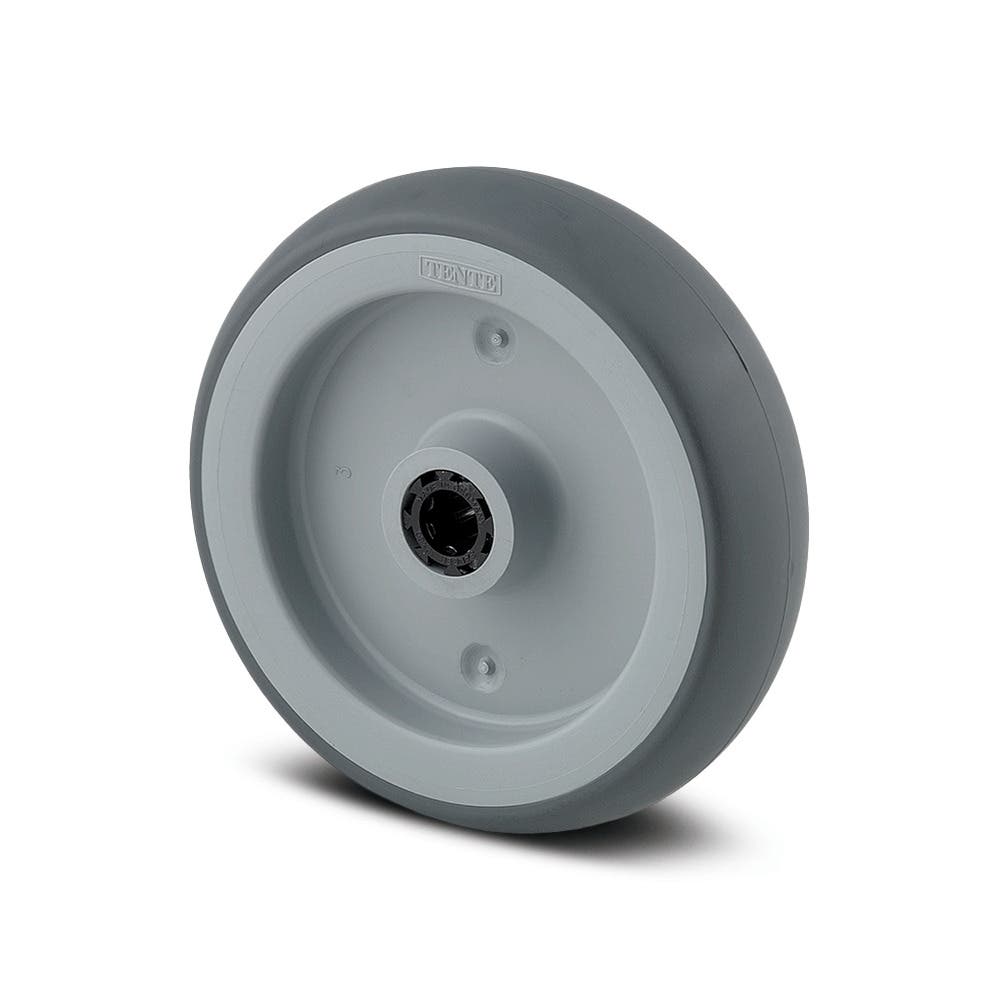
Wheel 3.94 in
The Supratech wheel is a precision caster component engineered for demanding industrial and commercial applications including roll cages, shopping trolleys, store fixtures and displays, tool cabinets, work benches, and transport equipment. This wheel features a polypropylene body with a thermoplastic rubber tread measuring 1.26 inches in width, delivering optimal durability and floor protection. The wheel diameter is 3.94 inches with a hub length of 1.37 inches and an axle hole diameter of 0.47 inches, accommodating standard caster mounting configurations. Equipped with a roller bearing for smooth operation, the Supratech wheel supports a static load capacity of 440.92 pounds and a dynamic load capacity of 220.46 pounds at speeds up to 1.86 miles per hour, making it suitable for both stationary and mobile applications requiring reliable performance and extended service life.

Wheel 4.92 in
The Elastech wheel is a precision caster wheel engineered for demanding industrial applications including AMR systems, automated shuttle systems, automotive OEM, catering carts and meal delivery systems, container construction, fire fighting technology and fire protection, machine construction, post logistic systems, production and platform trolleys, professional cleaning carts, roll cages, scaffolding, tool cabinets, transport equipment, and work benches. This wheel features a 4.92 inch diameter with a 1.26 inch wide tread constructed from elastic tire, non-marking, vulcanized material that provides superior grip and floor protection. The wheel body is manufactured from zinc die-cast for durability and corrosion resistance, while the precision ball bearing in stainless steel ensures smooth, reliable rotation. The hub length measures 1.4 inches with a 0.31 inch axle hole diameter for secure mounting compatibility. The wheel delivers a static load capacity of 661.39 pounds and a dynamic load capacity of 330.69 pounds at speeds up to 1.86 miles per hour, making it suitable for heavy-duty material handling and transportation applications requiring dependable performance and extended service life.
Wheel 5.91 in
The Elastech wheel is a precision caster wheel engineered for demanding industrial applications including AMR systems, automated shuttle systems, automotive OEM, catering carts and meal delivery systems, container construction, fire fighting technology, machine construction, post logistic systems, production and platform trolleys, professional cleaning carts, roll cages, scaffolding, tool cabinets, transport equipment, and work benches. The wheel features a diameter of 5.91 inches with a tread width of 1.26 inches composed of elastic tire, non-marking, vulcanized material that provides superior grip and floor protection. The hub length measures 1.4 inches with an axle hole diameter of 0.31 inches, designed to accommodate standard caster hardware. The wheel is constructed from zinc die-cast body material and equipped with a precision ball bearing in stainless steel for smooth, reliable rotation and extended service life. The static load capacity reaches 661.39 pounds, while the dynamic load capacity is rated at 330.69 pounds at a speed of 1.86 miles per hour, making this wheel suitable for both stationary and mobile applications requiring robust performance and durability.
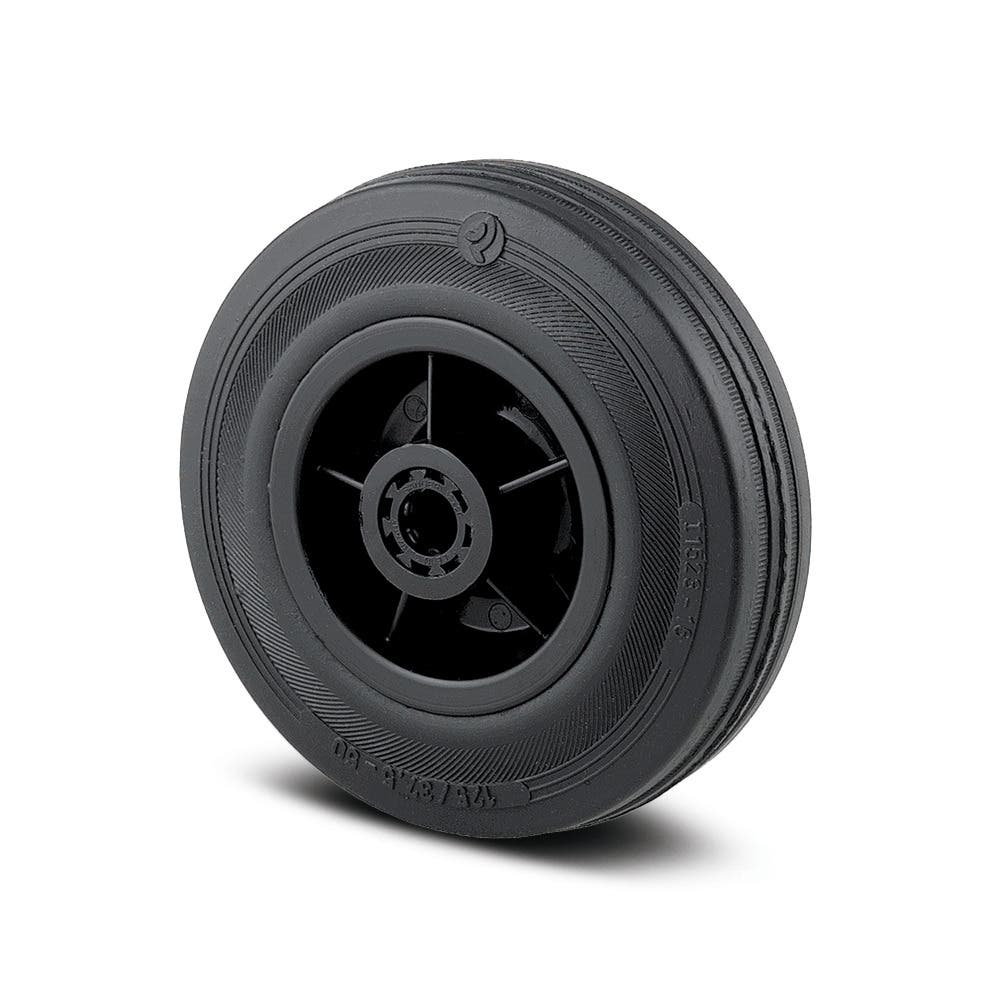
Wheel 4.92 in
The Puretech wheel is a precision caster wheel engineered for demanding industrial and commercial applications including scaffolding, shopping trolleys, store fixtures and display systems, tool cabinets, waste disposal equipment, work benches, and transport equipment. This wheel features a polypropylene body with a solid rubber black tread measuring 1.46 inches in width, delivering optimal durability and floor protection. The wheel diameter is 4.92 inches with a hub length of 1.89 inches and an axle hole diameter of 0.47 inches, accommodating standard caster mounting configurations. Equipped with a roller bearing for smooth operation, the Puretech wheel supports a static load capacity of 440.92 pounds and a dynamic load capacity of 220.46 pounds at speeds up to 2.5 miles per hour, making it suitable for both stationary and mobile applications requiring reliable performance and consistent load handling.

Wheel 3.94 in
The Puretech wheel is a precision caster component engineered for demanding industrial and commercial applications including scaffolding, shopping trolleys, store fixtures and display systems, tool cabinets, waste disposal equipment, work benches, and transport equipment. This wheel features a polypropylene body with a solid rubber, non-marking tread measuring 1.38 inches in width, delivering optimal grip and floor protection. The wheel diameter is 3.94 inches with a hub length of 1.75 inches and an axle hole diameter of 0.47 inches, accommodating standard caster mounting configurations. Equipped with a roller bearing for smooth, reliable rotation, the Puretech wheel supports a static load capacity of 330.69 pounds and a dynamic load capacity of 165.35 pounds at speeds up to 2.5 miles per hour, making it suitable for both stationary and mobile applications requiring dependable performance and durability.
Wheel 4.92 in
The Puretech wheel is a polypropylene caster wheel designed for demanding industrial and commercial applications including scaffolding, shopping trolleys, store fixtures and display systems, tool cabinets, waste disposal equipment, work benches, and transport equipment. This wheel features a solid rubber black tread with a width of 1.46 inches and an overall diameter of 4.92 inches, providing reliable rolling performance across various surfaces. The wheel is equipped with a roller bearing for smooth operation and incorporates a hub length of 2.28 inches with an axle hole diameter of 0.59 inches for secure mounting. The load capacity specifications indicate a static load rating of 440.92 pounds and a dynamic load rating of 220.46 pounds at speeds up to 2.49 miles per hour, making this wheel suitable for applications requiring robust performance and dependable load support.
Wheel 4.92 in
The Puretech wheel is a precision caster wheel engineered for demanding industrial and commercial applications including scaffolding, shopping trolleys, store fixtures and display systems, tool cabinets, waste disposal equipment, work benches, and transport equipment. This wheel features a polypropylene body with a solid rubber, non-marking tread measuring 1.46 inches in width, delivering optimal performance across diverse flooring surfaces. The wheel diameter is 4.92 inches with a hub length of 2.28 inches and an axle hole diameter of 0.59 inches, accommodating standard caster mounting configurations. Equipped with a roller bearing for smooth, reliable operation, the Puretech wheel supports a static load capacity of 440.92 pounds and a dynamic load capacity of 220.46 pounds at speeds up to 2.5 miles per hour, making it suitable for both stationary and mobile applications requiring dependable load-bearing performance.

Wheel 6.3 in
The Elastech wheel is a precision caster wheel engineered for demanding industrial applications including AMR systems, automated shuttle systems, automotive OEM, catering carts and meal delivery systems, container construction, fire fighting technology, machine construction, post logistic systems, production and platform trolleys, professional cleaning carts, roll cages, scaffolding, tool cabinets, transport equipment, and work benches. This wheel features a 6.3 inch diameter with a 1.97 inch wide elastic tire constructed from non-marking, vulcanized material that provides superior traction and floor protection. The aluminum body is paired with a precision ball bearing for smooth, reliable operation, while the hub measures 2.36 inches in length with a 0.79 inch axle hole diameter. The wheel delivers a static load capacity of 1543.23 pounds, with dynamic load capacities of 617.29 pounds at 3.7 miles per hour and 771.62 pounds at 2.5 miles per hour, making it suitable for both light and heavy-duty material handling applications requiring dependable performance and durability.
Wheel 4.92 in
The Elastech wheel is a precision caster wheel engineered for demanding industrial applications including AMR systems, automated shuttle systems, automotive OEM, catering carts and meal delivery systems, container construction, fire fighting technology, machine construction, post logistic systems, production and platform trolleys, professional cleaning carts, roll cages, scaffolding, tool cabinets, transport equipment, and work benches. This wheel features a 4.92 inch diameter with a 1.97 inch wide tread constructed from elastic tire, non-marking, vulcanized material that ensures reliable performance across diverse environments. The aluminum body is paired with a precision ball bearing for smooth operation, while the hub length measures 2.36 inches with a 0.98 inch axle hole diameter. The wheel delivers a static load capacity of 1322.77 pounds, with dynamic load capacities of 529.11 pounds at 3.73 miles per hour and 661.39 pounds at 2.49 miles per hour, making it suitable for both light-duty and heavy-duty caster applications requiring durability and consistent performance.

Wheel 4.92 in
The Elastech wheel is a precision caster component engineered for demanding industrial applications including AMR systems, automated shuttle systems, automotive OEM, catering carts and meal delivery systems, container construction, fire fighting technology, machine construction, post logistic systems, production and platform trolleys, professional cleaning carts, roll cages, scaffolding, tool cabinets, transport equipment, and work benches. This wheel features a diameter of 4.92 inches with a tread width of 1.57 inches composed of elastic tire material that is black and vulcanized for enhanced durability and performance. The polyamide body is supported by a roller bearing system and includes a hub length of 2.28 inches with an axle hole diameter of 0.59 inches for secure mounting. The wheel demonstrates exceptional load-bearing capabilities with a static load capacity of 1102.31 pounds and a dynamic load capacity of 551.16 pounds at a speed of 2.49 miles per hour, making it suitable for heavy-duty industrial caster applications requiring reliable performance and longevity.

Wheel 4.92 in
The Elastech wheel is a precision caster component engineered for demanding industrial applications including AMR systems, automated shuttle systems, automotive OEM, catering carts and meal delivery systems, container construction, fire fighting technology, machine construction, post logistic systems, production and platform trolleys, professional cleaning carts, roll cages, scaffolding, tool cabinets, transport equipment, and work benches. This wheel features a 4.92 inch diameter with a 1.57 inch wide tread constructed from elastic tire, non-marking, vulcanized material that ensures durability and floor protection. The polyamide body is supported by a roller bearing and includes a 2.28 inch hub length with a 0.59 inch axle hole diameter for secure mounting. The wheel delivers a static load capacity of 1102.31 pounds and a dynamic load capacity of 551.16 pounds at 2.49 miles per hour, making it suitable for both stationary and mobile caster applications requiring reliable performance and extended service life.

Wheel 3.94 in
The Elastech wheel is a precision caster wheel engineered for demanding industrial applications including AMR systems, automated shuttle systems, automotive OEM, catering carts and meal delivery systems, container construction, fire fighting technology and fire protection, machine construction, post logistic systems, production and platform trolleys, professional cleaning carts, roll cages, scaffolding, tool cabinets, transport equipment, and work benches. This wheel features a diameter of 3.94 inches with a tread width of 1.34 inches composed of elastic tire, non-marking, vulcanized material that provides superior grip and floor protection. The polyamide body is supported by a precision ball bearing and includes a hub length of 1.77 inches with an axle hole diameter of 0.33 inches for secure mounting. The wheel delivers a static load capacity of 705.48 pounds and a dynamic load capacity of 352.74 pounds at speeds up to 2.5 miles per hour, making it suitable for heavy-duty material handling and mobility applications requiring reliable performance and durability.
Wheel 7.87 in
The Elastech wheel is a precision caster component engineered for demanding industrial applications including AMR systems, automated shuttle systems, automotive OEM, catering carts and meal delivery systems, container construction, fire fighting technology, machine construction, post logistic systems, production and platform trolleys, professional cleaning carts, roll cages, scaffolding, tool cabinets, transport equipment, and work benches. This wheel features a 7.87 inch diameter with a 1.81 inch wide tread constructed from elastic tire, non-marking, vulcanized material that provides superior grip and floor protection. The polyamide body is supported by a roller bearing and includes a 2.28 inch hub length with a 0.98 inch axle hole diameter for secure mounting. The wheel delivers a static load capacity of 1763.7 pounds and a dynamic load capacity of 881.85 pounds at 2.5 miles per hour, making it suitable for heavy-duty industrial caster applications requiring reliable performance and durability.
Wheel 6.3 in
The Elastech wheel is a precision caster component engineered for demanding industrial applications including AMR systems, automated shuttle systems, automotive OEM, catering carts and meal delivery systems, container construction, fire fighting technology, machine construction, post logistic systems, production and platform trolleys, professional cleaning carts, roll cages, scaffolding, tool cabinets, transport equipment, and work benches. This wheel features a 6.3 inch diameter with a tread width of 1.81 inches composed of elastic tire, non-marking, vulcanized material that provides superior grip and floor protection. The polyamide body is mounted on a roller bearing and includes a hub length of 2.28 inches with an axle hole diameter of 0.98 inches for secure installation. The wheel delivers a static load capacity of 1322.77 pounds and a dynamic load capacity of 661.39 pounds at 2.5 miles per hour, making it suitable for heavy-duty industrial caster applications requiring reliable performance and durability.

Wheel 2.95 in
The Puretech wheel is a polypropylene caster wheel designed for use in a wide range of industrial and commercial applications including scaffolding, shopping trolleys, store fixtures and display systems, tool cabinets, waste disposal equipment, work benches, and transport equipment. The wheel features a diameter of 2.95 inches with a tread width of 0.98 inches composed of solid rubber, non-marking material that provides reliable traction and floor protection. The hub length measures 1.04 inches, and the axle hole diameter is 0.31 inches, accommodating standard mounting configurations. The wheel is equipped with a plain bearing for smooth rotation and efficient load distribution. The static load capacity is rated at 264.55 pounds, while the dynamic load capacity reaches 132.28 pounds at speeds up to 1.86 miles per hour, making this wheel suitable for both stationary and mobile applications requiring dependable performance and durability.

Wheel 5.91 in
The Puretech wheel is a precision caster wheel engineered for demanding industrial and commercial applications including scaffolding, shopping trolleys, store fixtures and display systems, tool cabinets, waste disposal equipment, work benches, and transport equipment. This wheel features a diameter of 5.91 inches with a tread width of 1.26 inches composed of solid rubber, non-marking material that provides excellent floor protection and durability. The wheel body is constructed from polypropylene and is equipped with a precision ball bearing for smooth, reliable rotation. The hub length measures 1.44 inches, and the axle hole diameter is 0.33 inches, accommodating standard caster mounting configurations. The wheel demonstrates a static load capacity of 352.74 pounds and a dynamic load capacity of 176.37 pounds at speeds up to 1.86 miles per hour, making it suitable for both stationary and mobile applications requiring dependable performance and load support.
Wheel 11.81 in
The Elastech wheel is a precision caster wheel engineered for demanding industrial applications including AMR systems, automated shuttle systems, automotive OEM, catering carts and meal delivery systems, container construction, fire fighting technology, machine construction, post logistic systems, production and platform trolleys, professional cleaning carts, roll cages, scaffolding, tool cabinets, transport equipment, and work benches. This wheel features an 11.81 inch diameter with a tread width of 2.17 inches composed of elastic tire, non-marking, vulcanized material that ensures reliable performance across diverse environments. The aluminum body is paired with a precision ball bearing for smooth operation, while the hub length measures 2.36 inches and the axle hole diameter is 0.98 inches. The wheel demonstrates exceptional load capacity with a static load rating of 2645.54 pounds, and dynamic load ratings of 1058.22 pounds at 3.73 miles per hour and 1322.77 pounds at 2.49 miles per hour, making it suitable for both light and heavy-duty caster applications requiring durability and precision engineering.

Wheel 6.3 in
The Supratech wheel is a precision caster component engineered for demanding industrial and commercial applications including roll cages, shopping trolleys, store fixtures and displays, tool cabinets, work benches, and transport equipment. This wheel features a polypropylene body with a thermoplastic rubber tread measuring 1.57 inches in width, delivering optimal durability and floor protection. The wheel diameter is 6.3 inches with a hub length of 2.28 inches and an axle hole diameter of 0.98 inches, accommodating standard caster mounting configurations. Equipped with a roller bearing for smooth operation, the Supratech wheel delivers a static load capacity of 705.48 pounds and a dynamic load capacity of 352.74 pounds at speeds up to 1.86 miles per hour, making it suitable for both stationary and mobile applications requiring reliable performance and extended service life.

Wheel 15.75 in
The Elastech wheel is a precision caster wheel engineered for demanding industrial applications including AMR systems, automated shuttle systems, automotive OEM, catering carts and meal delivery systems, container construction, fire fighting technology, machine construction, post logistic systems, production and platform trolleys, professional cleaning carts, roll cages, scaffolding, tool cabinets, transport equipment, and work benches. This wheel features a 15.75 inch diameter with a 3.15 inch wide elastic tire in black vulcanized material mounted on a sheet steel heavy body hub measuring 3.15 inches in length. The wheel is equipped with a precision ball bearing and accommodates an axle hole diameter of 1.57 inches. The static load capacity reaches 6349.31 pounds, while dynamic load capacity is rated at 2645.54 pounds at 3.73 miles per hour or 3174.65 pounds at 2.49 miles per hour, making it suitable for both high-speed and heavy-load applications in professional industrial environments.

Wheel 9.84 in
The Elastech wheel is a precision caster wheel engineered for demanding industrial applications including AMR systems, automated shuttle systems, automotive OEM, catering carts and meal delivery systems, container construction, fire fighting technology, machine construction, post logistic systems, production and platform trolleys, professional cleaning carts, roll cages, scaffolding, tool cabinets, transport equipment, and work benches. This wheel features a 9.84 inch diameter with a tread width of 1.97 inches composed of elastic tire, non-marking, vulcanized material that provides superior grip and floor protection. The polyamide body is supported by a precision ball bearing and includes a hub length of 2.36 inches with an axle hole diameter of 0.79 inches for secure mounting. The wheel delivers a static load capacity of 1763.7 pounds and a dynamic load capacity of 881.85 pounds at speeds up to 2.49 miles per hour, making it suitable for heavy-duty industrial caster applications requiring reliable performance and durability.

Wheel 6.3 in
The Elastech wheel is a precision caster wheel engineered for demanding industrial applications including AMR systems, automated shuttle systems, automotive OEM, catering carts and meal delivery systems, container construction, fire fighting technology, machine construction, post logistic systems, production and platform trolleys, professional cleaning carts, roll cages, scaffolding, tool cabinets, transport equipment, and work benches. This wheel features a 6.3 inch diameter with a 1.57 inch wide elastic tire in black vulcanized rubber mounted on a polyamide body, supported by a precision ball bearing for smooth operation. The hub length measures 2.36 inches with a 0.79 inch axle hole diameter for secure mounting. The wheel delivers a static load capacity of 1102.31 pounds and a dynamic load capacity of 551.16 pounds at speeds up to 2.5 miles per hour, making it suitable for heavy-duty industrial caster applications requiring reliable performance and durability.

Wheel 6.3 in
The Elastech wheel is a precision caster component engineered for demanding industrial applications including AMR systems, automated shuttle systems, automotive OEM, catering carts and meal delivery systems, container construction, fire fighting technology, machine construction, post logistic systems, production and platform trolleys, professional cleaning carts, roll cages, scaffolding, tool cabinets, transport equipment, and work benches. This wheel features a 6.3 inch diameter with a 1.81 inch wide elastic tire constructed from non-marking, vulcanized material that ensures reliable performance across diverse operational environments. The polyamide body is supported by a roller bearing and accommodates a hub length of 2.28 inches with an axle hole diameter of 0.79 inches. The wheel delivers a static load capacity of 1322.77 pounds and a dynamic load capacity of 661.39 pounds at 2.5 miles per hour, making it suitable for both stationary and mobile caster applications requiring robust load-bearing capabilities and extended service life.
Wheel 7.87 in
The Elastech wheel is a precision caster component engineered for demanding industrial applications including AMR systems, automated shuttle systems, automotive OEM, catering carts and meal delivery systems, container construction, fire fighting technology, machine construction, post logistic systems, production and platform trolleys, professional cleaning carts, roll cages, scaffolding, tool cabinets, transport equipment, and work benches. This wheel features a 7.87 inch diameter with a 1.81 inch wide tread composed of elastic tire, non-marking, vulcanized material that ensures reliable performance and floor protection. The polyamide body is supported by a roller bearing and includes a 2.28 inch hub length with a 0.79 inch axle hole diameter for secure mounting. The wheel delivers a static load capacity of 1763.7 pounds and a dynamic load capacity of 881.85 pounds at speeds up to 2.5 miles per hour, making it suitable for heavy-duty industrial caster applications requiring durability and consistent performance.
Frequently Asked Questions
Advantages of Rubber Wheels
Rubber wheels are a versatile and widely used solution for smooth, controlled, and reliable mobility. At TENTE, our portfolio includes a variety of rubber compounds and tread designs — from soft, elastic blends that offer excellent floor protection and comfort to harder, wear-resistant rubbers optimised for durability and efficient rolling. By selecting the right rubber hardness and tread profile for the operating environment, you can achieve the perfect balance of grip, noise reduction, rolling resistance, and longevity — making these wheels adaptable to diverse performance requirements.
TENTE rubber castor wheels offer several key benefits:
Versatile Grip and Traction – Depending on the rubber compound, these wheels can provide excellent surface adhesion, reducing slippage on smooth or slightly uneven floors. Softer compounds enhance traction, while harder rubbers prioritise rolling efficiency.
Floor Protection – Non-marking rubber options prevent scuffing and damage on delicate floors, ensuring a clean, professional appearance over time.
Optimised Noise and Comfort – Softer rubber treads naturally dampen vibrations and rolling noise, especially on hard, smooth surfaces like tiles or polished concrete. Harder compounds generate slightly more noise but provide better efficiency and durability on robust floors.
Efficient Rolling Performance – With the right combination of tread hardness and floor compatibility, rubber wheels minimize rolling resistance, making them well-suited for frequent transport and long-term reliability.
Types of Rubber Wheels
Rubber wheels come in a wide range of designs, tread compositions, and load capacities, making it possible to choose the ideal solution for nearly any mobility requirement. At TENTE, our portfolio includes options from small, lightweight wheels for compact applications to heavy-duty solutions built for high-performance equipment. While the tread material and wheel design are key factors in performance, the type of housing in which the wheels are used also plays a critical role in determining their overall load capacity, durability, and operating suitability. Selecting the right combination of wheel and housing ensures optimal functionality, safety, and service life. Below are some of the commonly used types of rubber castor wheels:
Small Rubber Wheels
Small rubber wheels are designed for applications where compact size and controlled manoeuvrability are required. They are available with different rubber compound treads and hardness levels, allowing them to adapt to different floor conditions and performance needs. Load capacity and durability vary significantly depending on both the wheel design and the type of housing they are paired with – for example, lightweight plastic housings are suitable for lower-load scenarios, while reinforced steel housings enable higher strength and stability. One representative product line in our range are our DIK wheels using the TENTE Puretech non-marking solid rubber as a tread material. These small rubber wheels use a wheel body made from sheet steel and are available with a 50 mm wheel diameter as the smallest option. These wheels are commonly used in our Agila or Agila twin castors.
Solid Rubber Wheels
Solid rubber wheels are designed for excellent stability and wear resistance. Depending on the tread hardness, they can provide balanced performance between rolling efficiency, grip, and vibration damping. These wheels are commonly used in environments where reliability and consistency are critical. When paired with robust housing types, such as heavy-duty pressed steel, solid rubber wheels can support significantly higher load capacities while maintaining a long service life. Our FVP wheels using Puretech solid rubber are one example from our product portfolio. They are available with wheel diameters of up to 300 mm and can bear static loads of up to 1600 kg, 960kg at 4 km/h and 800 kg at 6 km/h. These solid rubber wheels are commonly used in our Kappa or Kappa load castors.
Fields of Application for Rubber Wheels
Rubber wheels are used across a wide variety of industries thanks to their adaptability and performance. Their suitability for specific applications depends on factors such as tread hardness, wheel size, and the type of castor housing used. In healthcare environments, they are commonly fitted on patient lifters, recliners, treatment chairs, bedside tables, and shower chairs, providing smooth, quiet mobility while protecting sensitive flooring. In industrial settings, rubber wheels support automated shuttle systems, forklift trucks, and roll containers, delivering reliable rolling performance across different surface conditions. Within furniture and mobile applications, they are often integrated into catering carts, meal delivery systems, and furniture, ensuring comfortable handling and low-noise operation. By selecting the right tread hardness and matching it to the floor type, rubber castor wheels can be configured for optimal performance — from delicate indoor surfaces requiring non-marking properties to demanding industrial environments where durability and efficient rolling are essential.